May 29, 2026
When a cooling system suddenly stops working, indoor comfort can quickly disappear. Rising indoor temperatures, poor airflow, and excessive humidity can create stressful conditions for homeowners and business owners alike. Emergency cooling problems often happen without warning, especially during periods of intense heat when systems are under heavy demand. In these situations, fast professional attention becomes extremely important for restoring comfort and protecting the indoor environment.
Professional HVAC teams are trained to respond quickly when cooling emergencies occur. Many property owners rely on experienced AC companies because they understand how to diagnose urgent problems, stabilize damaged systems, and restore cooling performance safely. Emergency service calls require a combination of technical knowledge, specialized tools, and careful inspection methods that help prevent additional damage while improving system reliability.
Assessing Immediate Cooling Concerns
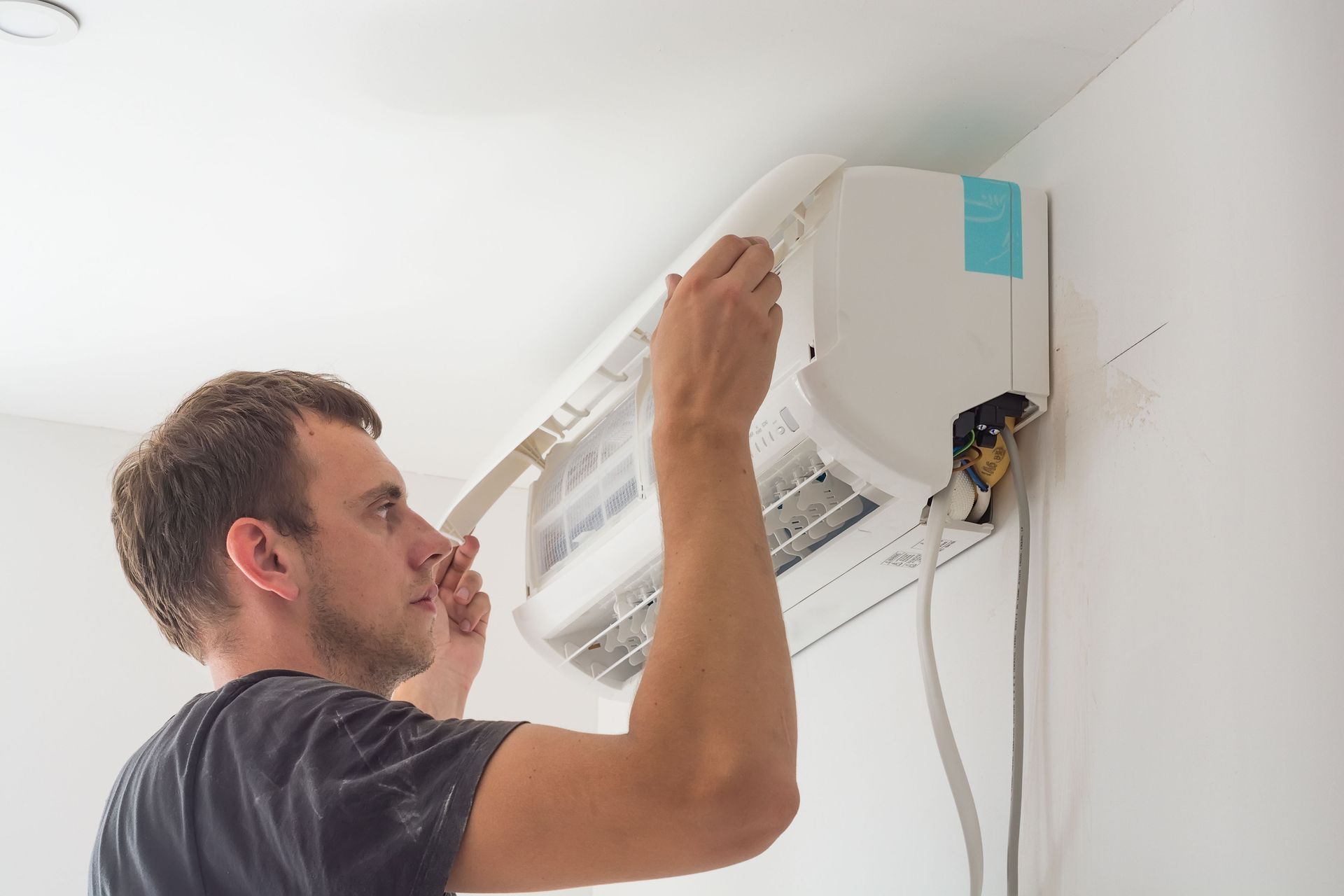
One of the first steps professionals take during an emergency service visit is evaluating the seriousness of the cooling issue. Some problems may involve complete system shutdowns, while others may involve weak airflow, warm air circulation, frozen components, or electrical concerns. Technicians carefully inspect the system to determine which components are malfunctioning and how the issue may affect the rest of the equipment.
Reliable AC companies understand that emergency calls often involve more than simple comfort concerns. Excess heat indoors can create problems for electronics, indoor air quality, and overall household well-being. Technicians work to identify the root cause quickly so they can recommend the most appropriate solution for the property.
During the assessment process, professionals also evaluate whether the cooling equipment is appropriately matched to the space. According to the Department of Energy, a common guideline for cooling systems is approximately 20 BTUs of capacity for every square foot of living area. Proper sizing plays an important role in preventing excessive strain that may contribute to emergency breakdowns later on.
Diagnosing System Performance Problems
After the initial evaluation, technicians begin diagnosing the specific cause of the cooling failure. Emergency cooling problems can develop from a wide range of issues involving electrical systems, refrigerant flow, thermostat communication, airflow restrictions, or worn mechanical components. Because many system parts work together, identifying the exact source of the problem requires professional training and detailed inspection procedures.
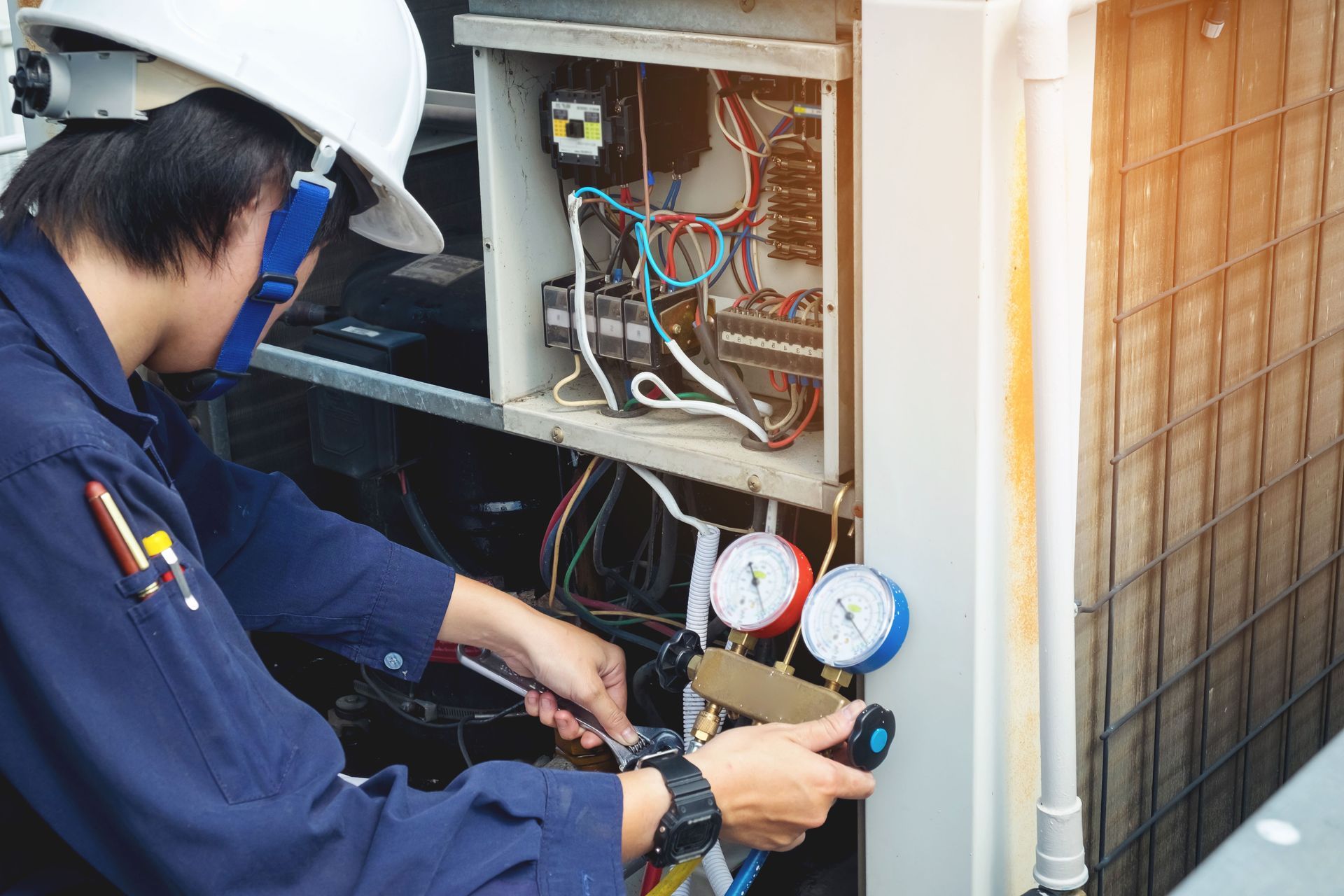
Experienced AC companies use specialized equipment to evaluate cooling performance safely and accurately. They may test airflow levels, inspect wiring connections, examine coils, and verify system communication between indoor and outdoor units. This careful approach helps ensure that the repair process addresses the actual problem rather than temporarily masking symptoms.
In many emergencies, technicians must also determine whether additional damage has occurred as a result of the original malfunction. A neglected issue in one part of the system can often create added stress on surrounding components. For example, restricted airflow, overheating parts, or electrical strain may gradually affect other areas of the equipment without immediately showing obvious symptoms. When one component struggles to function properly, the entire cooling system may begin operating less efficiently, which can increase wear throughout the unit over time.
Restoring Indoor Comfort Quickly
Once technicians identify the source of the emergency, the focus shifts toward restoring indoor comfort as efficiently as possible. Fast response times are especially important during periods of extreme heat because prolonged indoor discomfort can create unhealthy conditions for occupants. Professional HVAC teams prioritize emergency repairs that can stabilize temperatures and improve airflow quickly.
Many AC companies maintain access to common replacement parts and service equipment specifically for urgent situations. This preparation allows technicians to complete many repairs during the initial visit rather than delaying service while waiting for additional materials. Rapid repairs help property owners regain comfort sooner and minimize disruption to daily routines.
Restoring cooling performance also involves testing the system after repairs are completed. Technicians monitor airflow, temperature consistency, and overall operation to verify that the equipment is functioning properly again. This final inspection helps ensure that the emergency issue has been resolved safely and effectively before the service appointment concludes.
Protecting Equipment From Further Damage
Emergency cooling problems can place significant stress on HVAC equipment. Continuing to operate a damaged system may worsen the original issue and increase repair complexity over time. Professional technicians understand how to protect vulnerable components during emergency service calls while reducing unnecessary strain on the system.
Trusted AC companies often inspect surrounding system parts for signs of wear that may have developed alongside the primary failure. Components affected by overheating, airflow restrictions, or electrical stress can sometimes show early warning signs before complete failure occurs. Identifying these concerns early may help property owners avoid additional emergencies in the future.
Technicians also evaluate overall system cleanliness and airflow conditions because restricted airflow can place extra pressure on cooling equipment. Dirty filters, blocked vents, and neglected maintenance issues may contribute to system instability during periods of heavy use. Addressing these concerns during emergency service can help support better long-term performance.
Communicating Repair Recommendations Clearly
Cooling emergencies can be stressful, especially when property owners are uncertain about the condition of their equipment. Clear communication becomes an important part of the repair experience. Professional technicians explain what caused the issue, how repairs will improve performance, and whether additional services may help support future reliability.
Many AC companies focus on helping customers understand the condition of their cooling systems without overwhelming them with technical language. This approach allows homeowners and business owners to make informed decisions about repairs, maintenance, and future system care. Transparent communication also helps establish trust during high-pressure situations where fast decisions may be required.
Technicians may also discuss whether the system shows signs of aging or recurring performance concerns. In some cases, emergency repairs may solve the immediate issue while additional recommendations help improve efficiency and reduce the likelihood of future breakdowns. These conversations help property owners better understand the overall health of their cooling equipment.
Preventing Future Cooling Emergencies
Although emergency repairs restore immediate comfort, many property owners also want to reduce the chances of future cooling failures. Preventive maintenance plays a major role in supporting system reliability and identifying small concerns before they become larger emergencies. Professional inspections help technicians evaluate equipment performance under normal operating conditions and detect warning signs early.
Experienced AC companies often recommend routine maintenance programs that include system inspections, airflow evaluations, component cleaning, and operational testing. These services can help improve efficiency while reducing wear on important system components. Preventive care may also support more consistent indoor comfort throughout changing seasonal conditions.
Technicians may additionally provide recommendations related to thermostat settings, airflow management, and system monitoring practices that support healthier operation. When cooling systems receive professional attention regularly, property owners are often better prepared to avoid unexpected disruptions during periods of heavy use.
Emergency cooling problems can create major disruptions for homeowners and businesses, especially during hot weather conditions when indoor comfort becomes essential. Professional HVAC technicians play a critical role in diagnosing urgent issues, restoring cooling performance, and protecting equipment from additional damage. From detailed inspections to fast repairs and preventive recommendations, emergency service requires skill, preparation, and careful attention to system performance.
When unexpected cooling problems arise, working with experienced professionals can help restore comfort safely and efficiently. At Brickhaas Plumbing HVAC, we are committed to helping our customers regain reliable indoor comfort with responsive service and dependable HVAC solutions tailored to their needs.