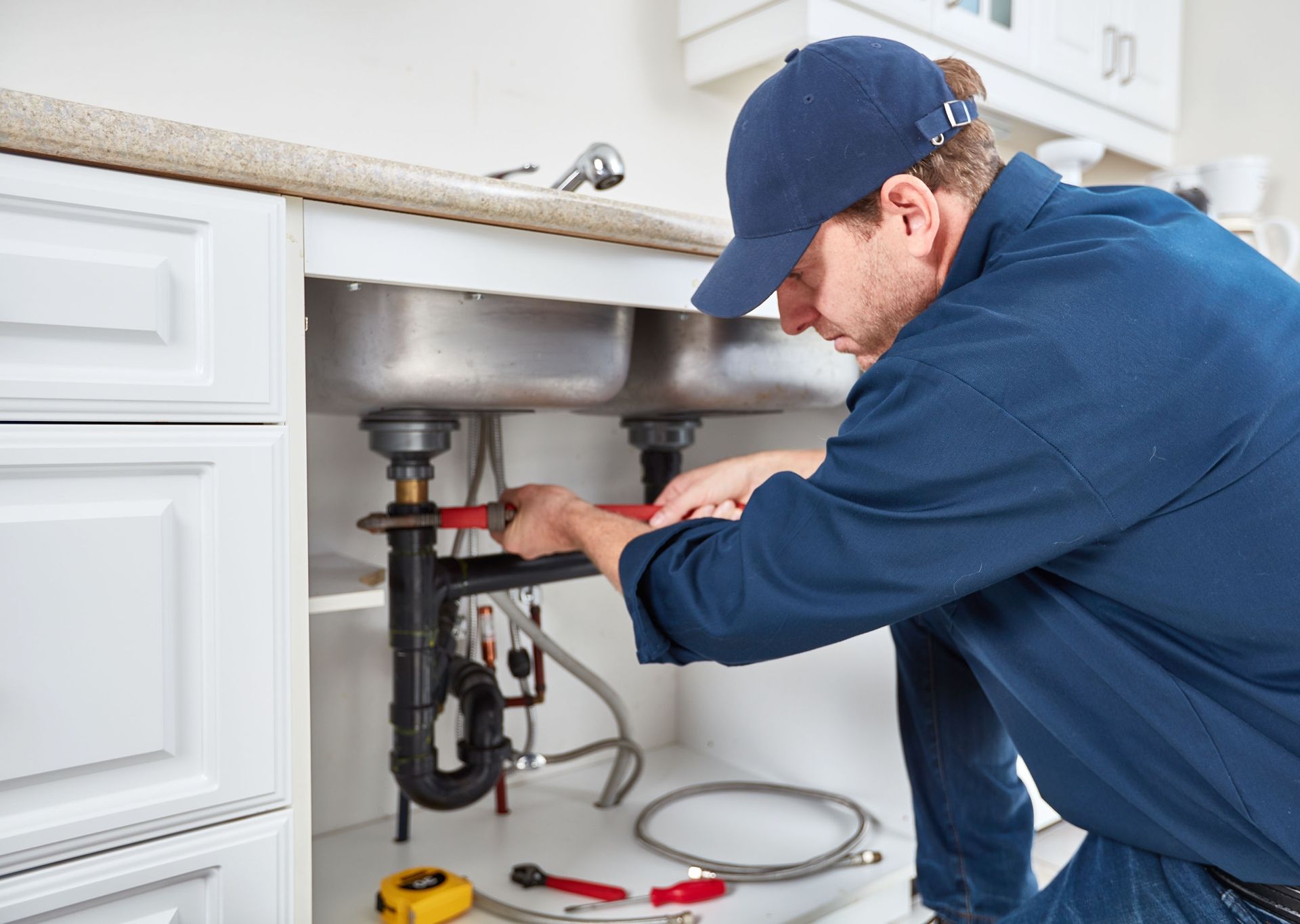
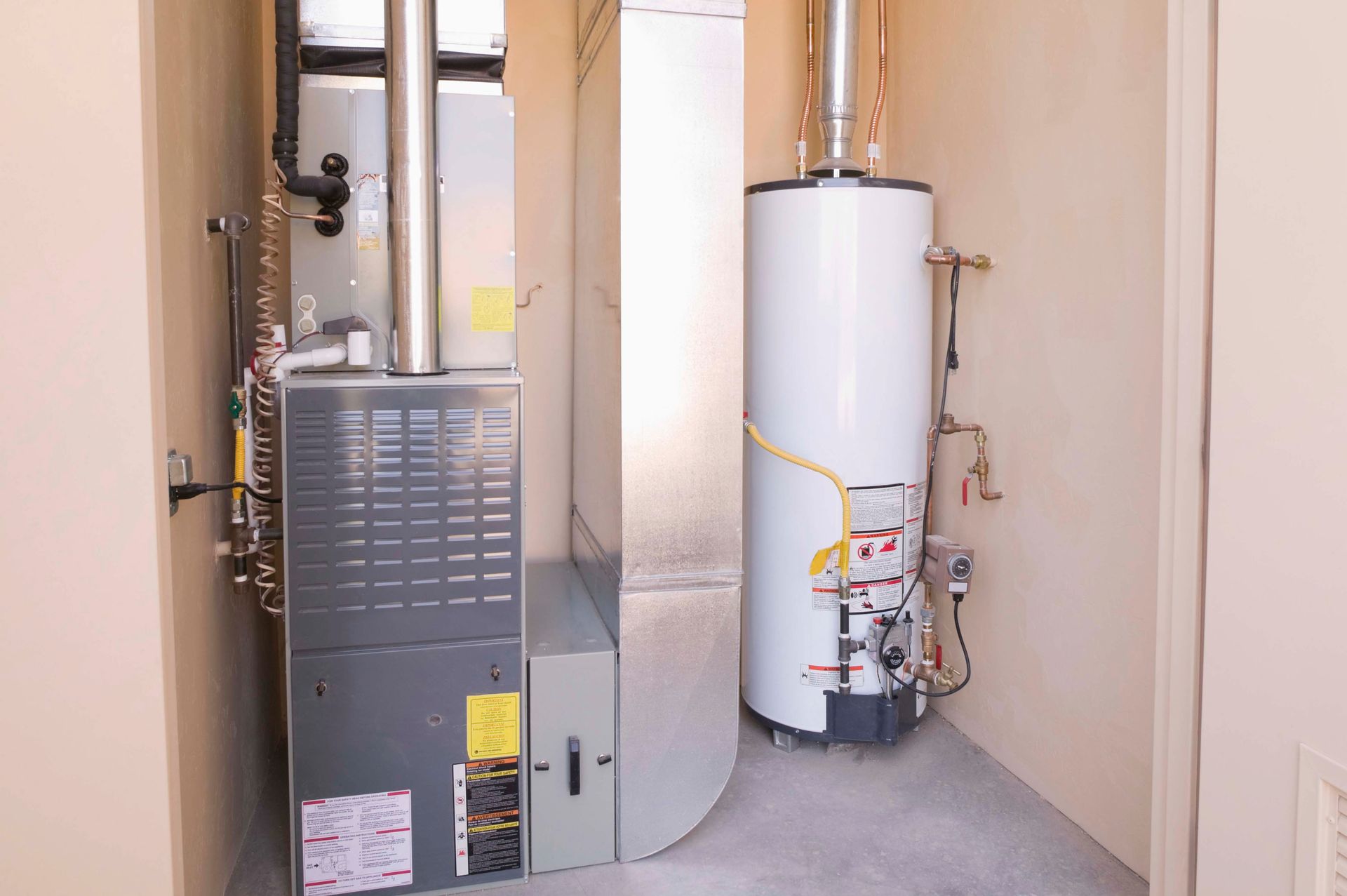
Let's go over the most common reasons older furnaces become less efficient over time. Call us for furnace installation services!
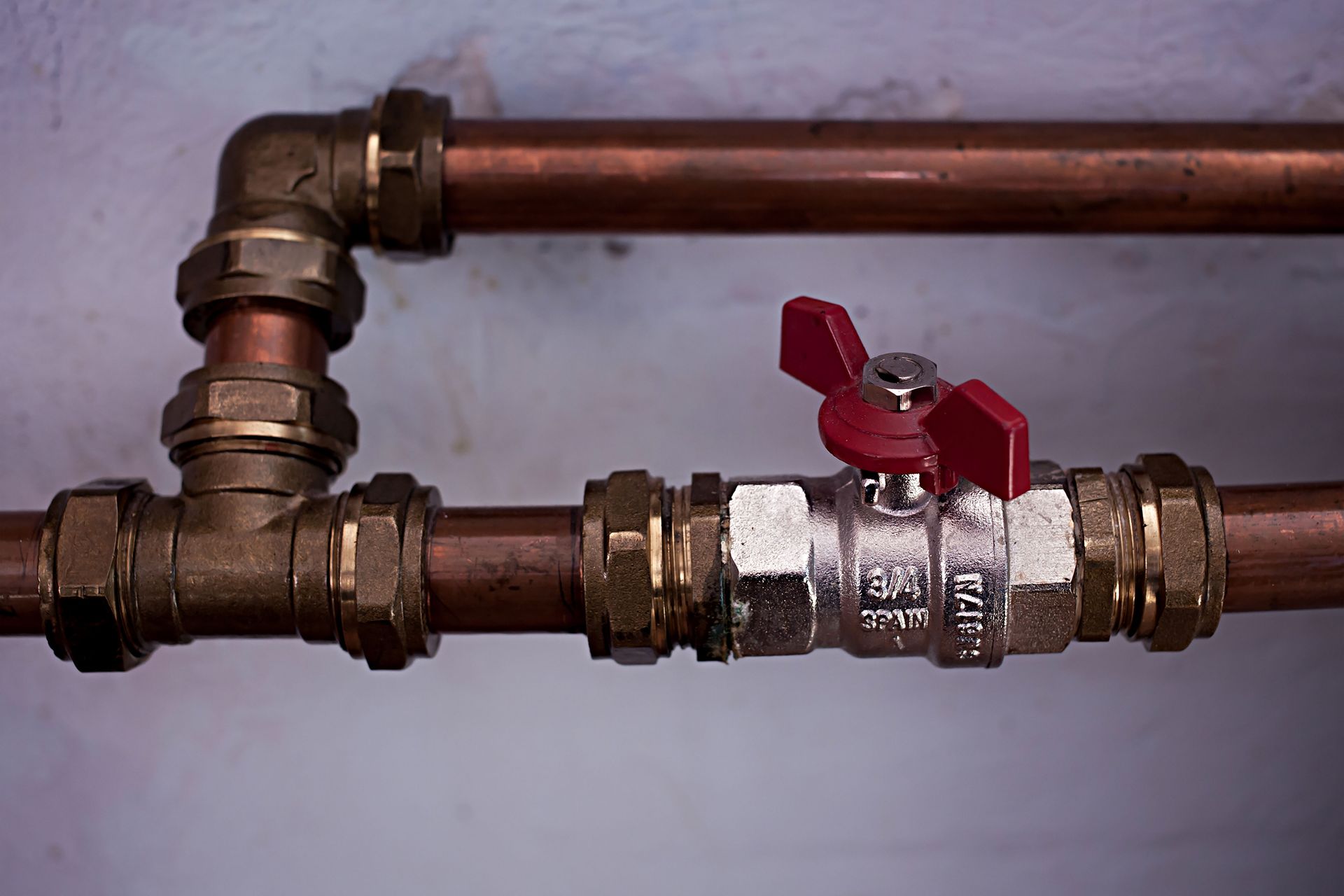
Underground gas lines are essential for delivering natural gas to homes and businesses. Although these systems are designed for durability, excavation activities can damage buried pipes and create serious safety hazards. Construction equipment, inaccurate utility markings, and unexpected ground conditions can all contribute to costly disruptions. At Brickhaas Plumbing HVAC, we understand the importance of maintaining safe, reliable gas infrastructure. Professional gas line repairs help address damaged piping, reduce potential hazards, and restore dependable service. Understanding how excavation damage occurs and why professional intervention matters can help property owners make informed decisions about their gas systems. Understanding Gas Line Infrastructure How Gas Line Materials Affect Durability Gas distribution systems use materials such as steel and polyethylene to transport natural gas safely. Each material has specific characteristics that influence its durability, corrosion resistance, and installation requirements. Steel pipes provide strength but may require corrosion protection, while polyethylene pipes offer flexibility and resistance to many environmental conditions. Selecting appropriate materials is essential for maintaining long-term reliability. Professional installation and routine inspections help identify deterioration before it creates significant problems. How Gas Pressure Affects Performance Gas lines operate under carefully controlled pressure conditions. Distribution networks, service connections, and household piping have different operating requirements. Pressure irregularities can indicate equipment problems, restrictions, or damaged infrastructure. Qualified professionals evaluate these conditions using specialized instruments and established safety procedures. Proper pressure management helps protect appliances, piping connections, and the overall distribution system. How Underground Placement Affects Protection Buried gas lines are installed at depths determined by applicable regulations, site conditions, and system requirements. However, underground placement does not eliminate the possibility of accidental damage. Landscaping projects, utility installations, foundation work, and construction activities can expose buried infrastructure to excavation equipment. Because underground conditions vary, property owners should never assume a gas line is located at a particular depth. Identifying Common Causes of Excavation Damage Accidental Contact With Excavation Equipment Excavators, trenchers, and other heavy equipment can accidentally strike buried gas infrastructure. Even minor contact may compromise protective coatings, joints, or pipe walls. According to the Pipeline and Hazardous Materials Safety Administration's (PHMSA) April 2026 advisory bulletin, 33,609 gas distribution facility damage events in 2025 were attributed to excavator-related issues, accounting for approximately 39.3% of reported excavation damages. This statistic highlights the importance of careful excavation planning and professional gas line repairs when underground infrastructure becomes damaged. Inaccurate Underground Utility Markings Utility markings help excavation crews identify the approximate locations of underground infrastructure. However, outdated records, incomplete information, and site changes can complicate identification. When markings are missing or inaccurate, construction equipment may encounter unexpected piping. Professional utility locating and coordination with service providers help reduce these risks. Excavation crews must also follow applicable requirements for protecting marked underground facilities. Unexpected Soil Movement and Ground Conditions Heavy rainfall, erosion, soil settlement, and changing ground conditions can place additional stress on buried piping. These conditions may affect pipe connections or expose sections of infrastructure that were previously protected. Although excavation equipment often causes immediate physical damage, environmental conditions can contribute to vulnerabilities that require professional assessment. Responding Safely to Gas Line Damage Recognizing Signs of a Potential Gas Leak Gas line damage may produce a noticeable sulfur-like odor, hissing sounds, bubbling in standing water, or unusual vegetation changes near buried piping. However, not every leak produces obvious warning signs. Suspected damage should always be treated seriously, even when gas cannot be smelled. When warning signs appear, professional gas line repairs may be necessary to restore safe operation after emergency personnel and the gas utility have addressed immediate hazards. Evacuating the Affected Area Immediately If a gas leak is suspected, everyone should leave the affected area immediately and move to a safe location. Avoid operating electrical switches, using phones near the suspected leak, starting vehicles nearby, or creating flames or sparks. Once safely away, contact 911 and the gas utility's emergency service. Never attempt to locate, contain, or repair a suspected leak independently. Safety must take priority over protecting equipment, maintaining service, or continuing construction. Coordinating With Qualified Gas Professionals Emergency responders and utility representatives determine how to secure the affected area and address immediate hazards. Once conditions are safe, qualified professionals can assess damaged piping and determine appropriate corrective work. At Brickhaas Plumbing HVAC, we recognize that gas line repairs require careful evaluation, appropriate materials, and compliance with applicable safety requirements. The gas utility and licensed contractors must coordinate responsibilities based on who owns the affected section of piping. Evaluating Professional Gas Line Repair Methods Assessing the Extent of Pipe Damage A professional assessment identifies the damaged section, evaluates surrounding connections, and determines whether additional deterioration exists. The inspection may include specialized leak detection, pressure testing, and examination of accessible piping components. The severity and location of the damage influence whether a limited repair or more extensive replacement is appropriate. A thorough evaluation helps prevent unresolved problems from affecting future system performance. Replacing Compromised Pipe Sections When excavation causes significant damage, replacing the affected section may be the safest practical solution. Qualified technicians select approved materials and joining methods based on the piping system, operating conditions, and applicable codes. Professional gas line repairs may involve controlled excavation, damaged pipe removal, replacement installation, and required testing. Gas service should only be restored after authorized personnel complete the necessary safety checks. Selecting Appropriate Repair Technologies Some underground utility projects benefit from specialized installation methods that reduce surface disruption. However, the suitability of trenchless techniques depends on the specific gas system, damage, and regulatory requirements. Not every technology used for water or sewer piping is approved for natural gas applications. Experienced professionals evaluate available options rather than assuming a minimally invasive method is appropriate for every situation. Preventing Future Gas Line Damage Planning Excavation Projects Carefully Excavation safety begins before construction equipment reaches the property. Contractors should review project requirements, identify potential underground hazards, and coordinate with utility operators. Contacting 811 before digging allows participating utilities to arrange location markings in accordance with state requirements. This process is important for projects involving landscaping, drainage installation, foundations, and underground utility work. Careful planning reduces the likelihood of unexpected damage and the need for emergency gas line repairs. Improving Communication Between Contractors Construction projects frequently involve multiple contractors working in overlapping areas. Clear communication helps ensure that everyone understands underground utility locations and excavation restrictions. Crews should coordinate site access, review utility information, and communicate changes that could affect buried infrastructure. When unexpected conditions arise, work should stop until the situation can be evaluated safely. Maintaining Awareness of Gas System Conditions Property owners should remain attentive to unusual odors, exposed piping, and changes around underground utility areas. Qualified inspections may identify corrosion, deteriorating connections, or other concerns requiring attention. Preventive maintenance does not eliminate every excavation hazard, but it supports safer operation and earlier identification of potential problems. Understanding the Benefits of Professional Repairs Protecting Property and Community Safety Damaged natural gas piping can create fire, explosion, and service disruption hazards. Prompt emergency response and qualified repairs help reduce these risks. Professional gas line repairs also support compliance with relevant installation and testing requirements. Addressing the underlying cause of damage is essential for maintaining dependable infrastructure. Reducing Operational and Financial Disruptions Gas service interruptions can affect heating equipment, water heaters, commercial operations, and other essential systems. Unexpected downtime may create inconvenience, scheduling complications, and additional expenses. A coordinated professional response helps property owners understand repair requirements and plan for safe service restoration. Supporting Long-Term Infrastructure Reliability Reliable gas systems depend on appropriate materials, correct installation, professional inspections, and responsible excavation practices. Addressing damaged piping promptly can help prevent further deterioration and support consistent system performance. At Brickhaas Plumbing HVAC, we emphasize professional workmanship and safety-conscious service. When property owners need gas line repairs, choosing qualified professionals is an important step toward restoring confidence in their gas infrastructure. If excavation activity has damaged your gas piping, prioritize emergency safety procedures before arranging an assessment. Once the area has been secured and the utility has authorized further work, contact Brickhaas Plumbing HVAC to discuss appropriate professional service options.
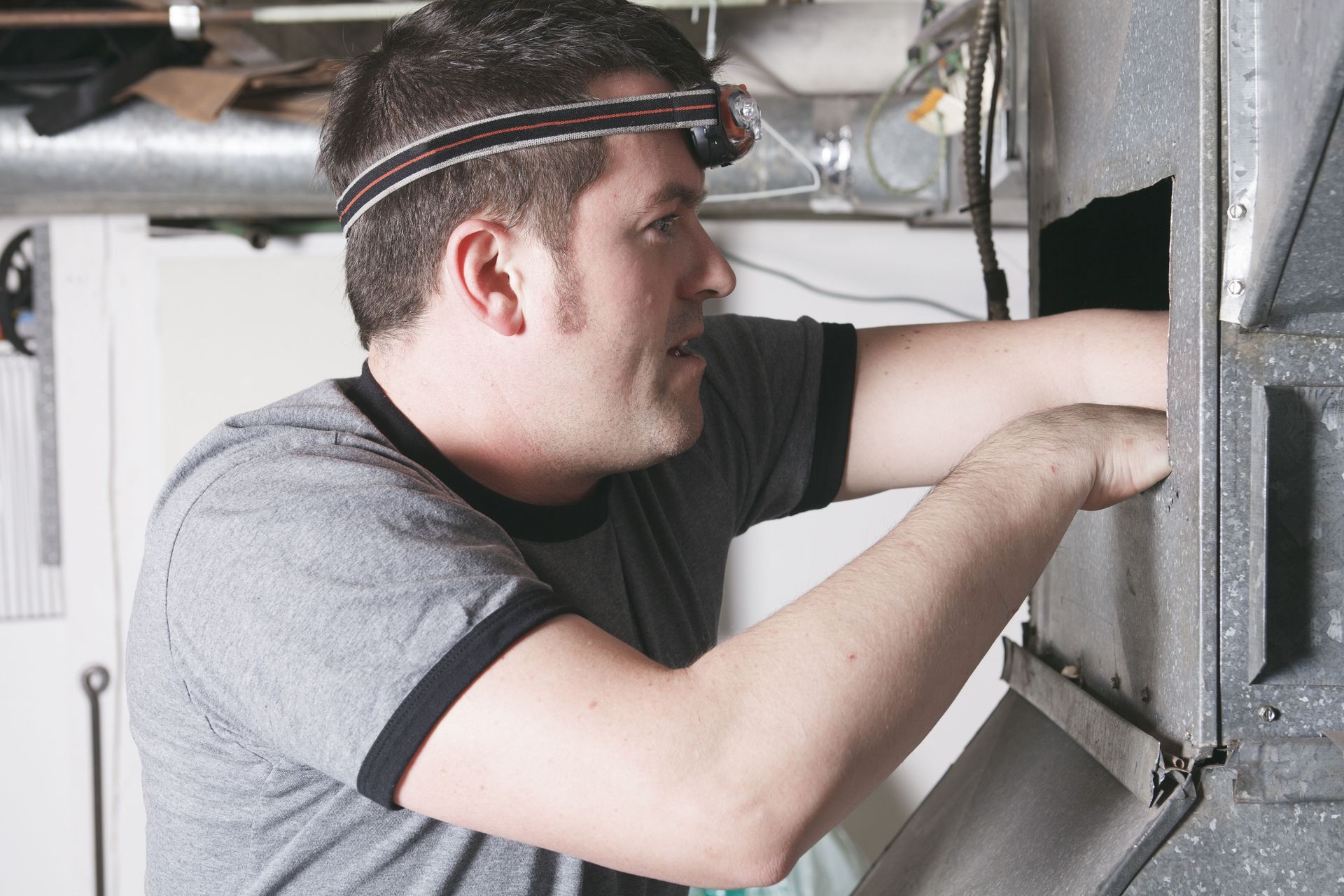
Reliable warmth starts with equipment suited to your household. Discover four reasons to plan furnace installation for comfort and efficiency.

