May 13, 2026
Most people never think about their waste pipes until something goes wrong. However, these hidden lines are the most important part of your home plumbing. Learning how this system works helps you spot small issues before they turn into massive property damage. A little knowledge goes a long way in keeping your house dry and clean. Taking a moment to understand the basics of your drainage network can save you significant time and stress in the future.
Understanding the Main Lateral Line
Your main lateral is the single pipe that carries every drop of wastewater away from your home. Whether you are flushing a toilet or running the dishwasher, all that water meets in this one exit point. Since this pipe handles the entire volume of your household waste, it faces a lot of daily pressure. Keeping it clear of debris is the only way to prevent messy backups into your lowest drains.
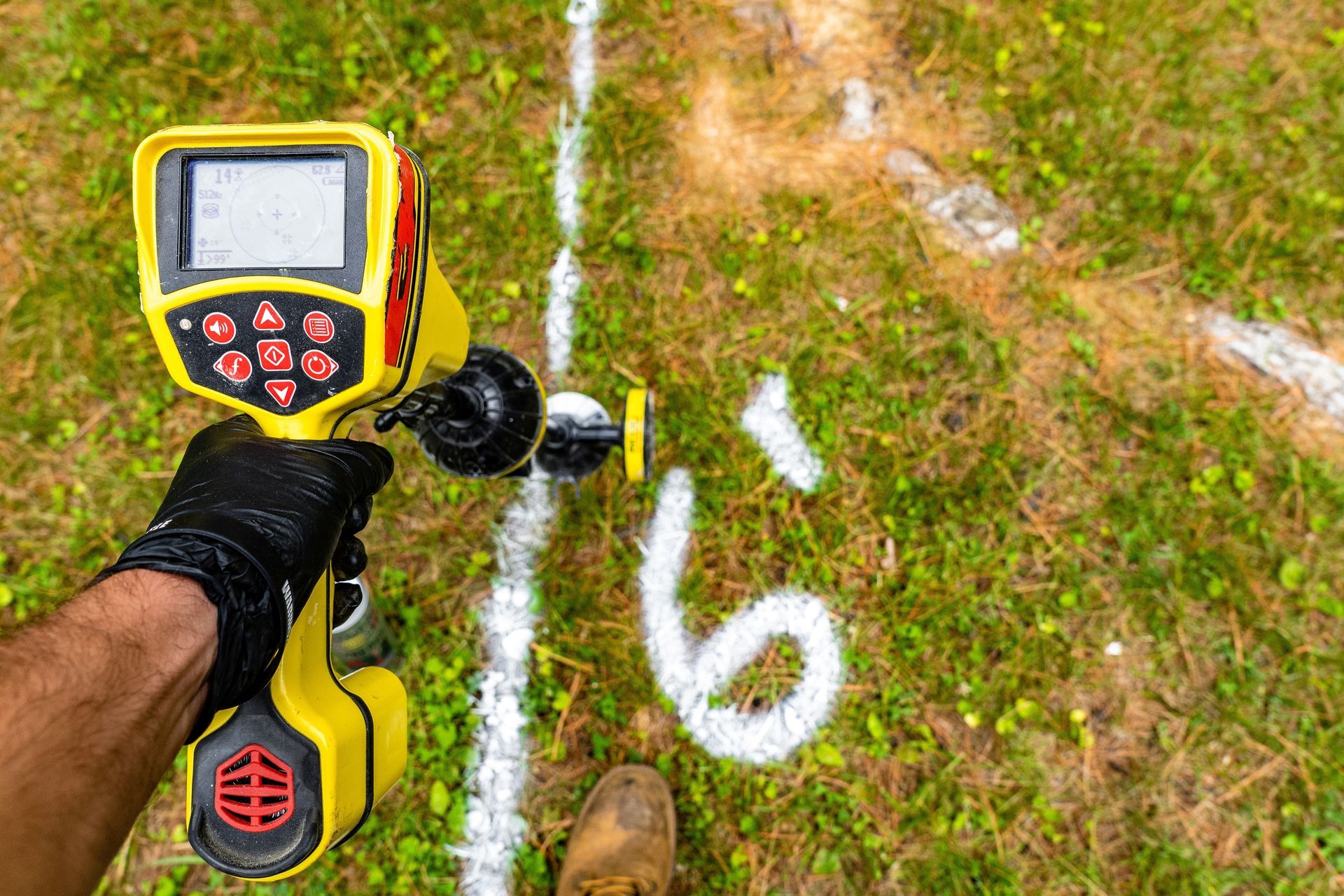
When the ground shifts or nearby trees grow, this pipe can crack or bow. You might not see the damage immediately, but you will definitely notice it when sinks start draining slowly. Keeping an eye on how your plumbing performs helps you decide when sewer line repairs are needed to keep things moving. Catching a small crack early prevents the entire pipe from collapsing under the weight of the dirt.
The actual length of this pipe depends mostly on where you live and how your lot is laid out. According to This Old House, in urban and dense suburban areas, sewer lines are likely only 25–60 feet, while rural properties can have lines stretching 75 feet or longer. No matter the length, the pipe needs a constant downward slope to use gravity effectively. Without that steady angle, waste sits still and creates thick sludge that eventually turns into a total blockage.
Identifying Common System Obstructions
Most blockages start with what people put down their kitchen drains. Cooking grease is a huge problem because it looks like liquid when it is hot, but turns into a solid plug once it hits the cold underground pipes. Over time, this gunk catches hair, food scraps, and paper, eventually closing off the pipe entirely. Flushing anything other than toilet paper only makes these clogs grow faster and harder to clear.
Outside factors are just as likely to cause a backup in your main line. Tree roots are naturally drawn to the moisture and nutrients inside your sewer pipes. They can find tiny gaps in pipe joints and force their way inside, growing into thick masses that act like a filter. Once roots take hold, they can quickly destroy the structural integrity of the line.
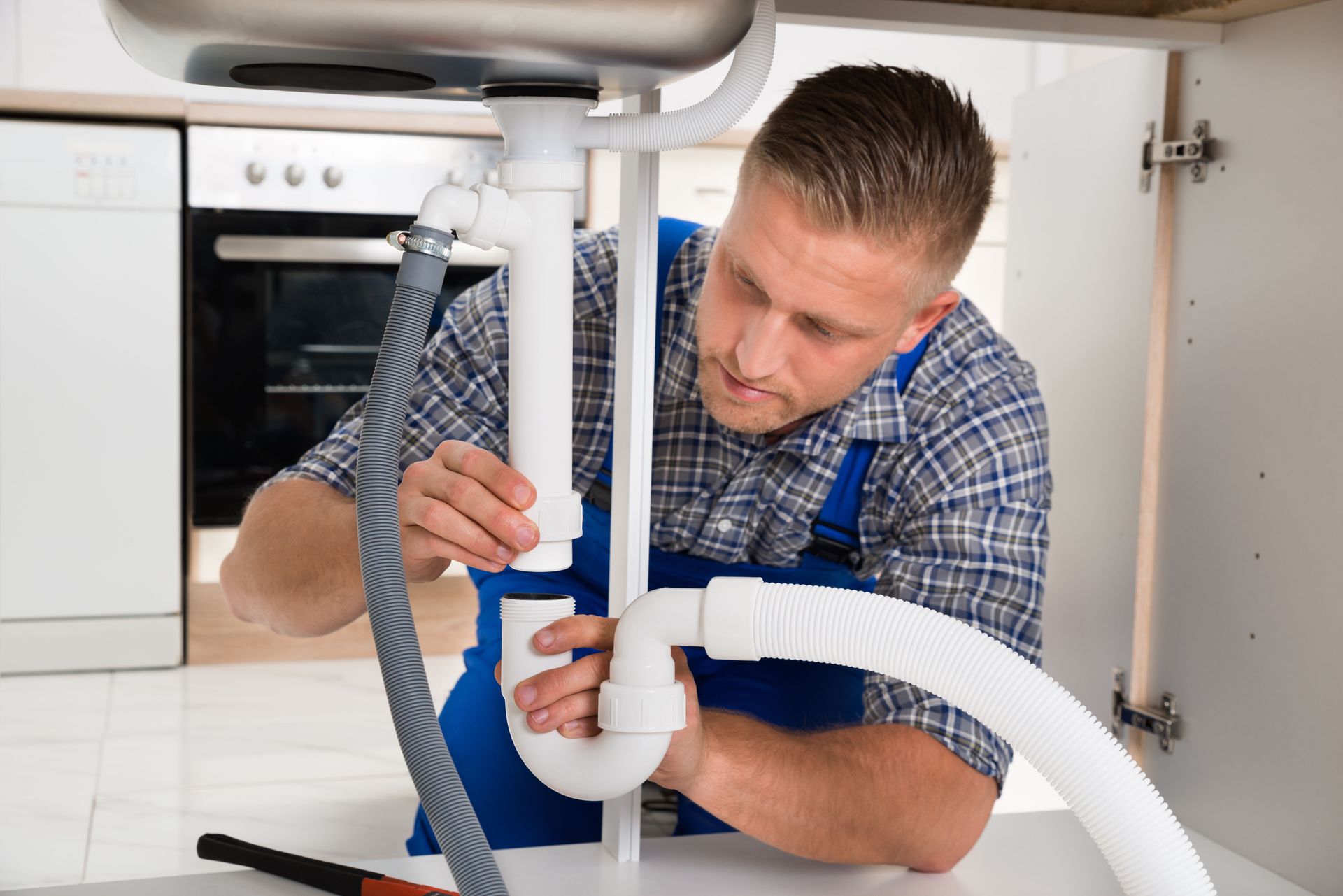
If your toilets make a bubbling sound when the laundry is running, you likely have a venting or blockage issue. This gurgling is a cry for help from your plumbing system that signals air is trapped. Addressing these weird noises early saves you from the stress of major sewer line repairs later on. Being proactive about what goes down your drains keeps the whole system healthy for a longer time.
Examining Different Piping Materials
If you live in an older neighborhood, your sewer lines might be made of clay or cast iron. Clay was popular for a long time because it does not corrode, but it is very brittle and cracks easily when the ground settles. Cast iron is much stronger, but it eventually develops bubbles of rust on the inside. These rough patches catch toilet paper and waste, leading to frequent and annoying clogs that slow down your entire house.
Newer homes usually have plastic pipes made of PVC or ABS. These materials are popular because they are smooth on the inside and have very few joints where roots can get in. They also handle the natural movement of the earth much better than rigid clay. Replacing old, crumbling sections with these modern materials is a common part of many sewer line repairs today.
The type of soil around your home also dictates how long your pipes will last. Some soil is very acidic and eats away at metal, while other soil is heavy and puts massive physical weight on the lines. Knowing what your pipes are made of helps you understand their weaknesses. This helps you plan for maintenance before a pipe finally gives out after decades of use and causes a yard collapse.
Monitoring Secondary Vent Stacks
Every plumbing system needs air to work correctly, which is why you see pipes sticking out of your roof. These vent stacks pull air into the system so water can flow out without creating a vacuum. If these vents get plugged up by bird nests or leaves, your drains will struggle to empty. It is like putting your finger over the top of a straw; the liquid just stays put inside the pipe.
Bad smells inside the house are often a sign that a vent stack is not doing its job. When air cannot move freely, sewer gases can get pushed back through the water traps in your sinks. This is not just a localized smell; it can make the whole house feel stagnant and unpleasant. Keeping these roof vents clear is a simple way to help your drains breathe.
Air pressure is the secret to a quiet and efficient plumbing system. When the pressure is balanced, you will not hear those loud thumps or hissing sounds when you use the sink. Keeping the air moving prevents the kind of internal pressure surges that lead to broken seals. Proper venting avoids the unnecessary stress that often results in expensive sewer line repairs deep underground.
Recognizing Warning Signs Early
You can often smell a sewer problem before you see it. If your yard consistently smells like a swamp even when it has not rained, you probably have a leak. Another sign is a patch of grass that grows much faster and greener than the rest of the lawn. While it might look nice, that extra growth is usually fueled by a leaking pipe underneath the sod that is feeding the roots.
Inside the house, look for water backing up in unusual places. If you flush the toilet and water pops up in the shower drain, the blockage is deep in the main line. This happens because the water has nowhere else to go, so it takes the lowest path available. These symptoms between different rooms are a clear signal that the main exit is blocked and needs immediate professional attention.
Dealing with these red flags immediately keeps your home safe and dry. Ignoring a slow drain or a weird smell only leads to a much bigger mess in your basement or crawlspace. Staying alert allows for targeted sewer line repairs that fix the specific problem area. Taking action now prevents a small leak from turning into a total property disaster that costs thousands to fix.
Maintaining a healthy sewer system is really about paying attention to the small things before they get out of hand. Your home relies on these pipes to stay clean and functional every single day. By keeping grease out of your drains and watching for warning signs through regular sewer line repairs, you can avoid major headaches down the road. Contact Brickhaas Plumbing HVAC today to get a professional look at your drainage system and keep your home running smoothly.