April 28, 2026
Heating plays a critical role in maintaining comfort, especially during colder months, but it also significantly impacts energy usage. Rising utility costs and growing environmental concerns make efficiency more important than ever. Addressing system issues through timely heater repair can reduce energy waste, improve performance, and extend equipment lifespan. When your system operates at peak condition, it supports both comfort and cost savings — making it worthwhile to understand how heater fixes
connects directly to better efficiency.
Understand the Basics of Heater Efficiency
A properly functioning system converts energy into heat effectively, keeping your home warm without overworking components. When heater fixes are overlooked, even small issues can disrupt this balance, forcing the system to use more energy than necessary. Over time, that inefficiency leads to higher bills and uneven indoor temperatures.
Efficiency also determines how much energy your system consumes to maintain a consistent climate. Systems that require frequent cycling or longer run times are often signaling the need for heater repair. Addressing these concerns early helps restore optimal performance and reduces unnecessary strain on equipment.
Recognize Signs That Indicate Heater Fixes is Needed
Homeowners often notice subtle warning signs before a major issue occurs. Uneven heating, rising energy bills, or unusual noises can all point to declining efficiency. When these problems appear, scheduling heater repair can prevent more extensive damage and restore consistent operation.
Other indicators include strange odors, frequent thermostat adjustments, or a system that struggles to maintain the desired temperature. Identifying these signs early allows for faster resolution and helps maintain a comfortable indoor environment without excessive energy use.
Compare Older Systems With Modern Efficiency Standards
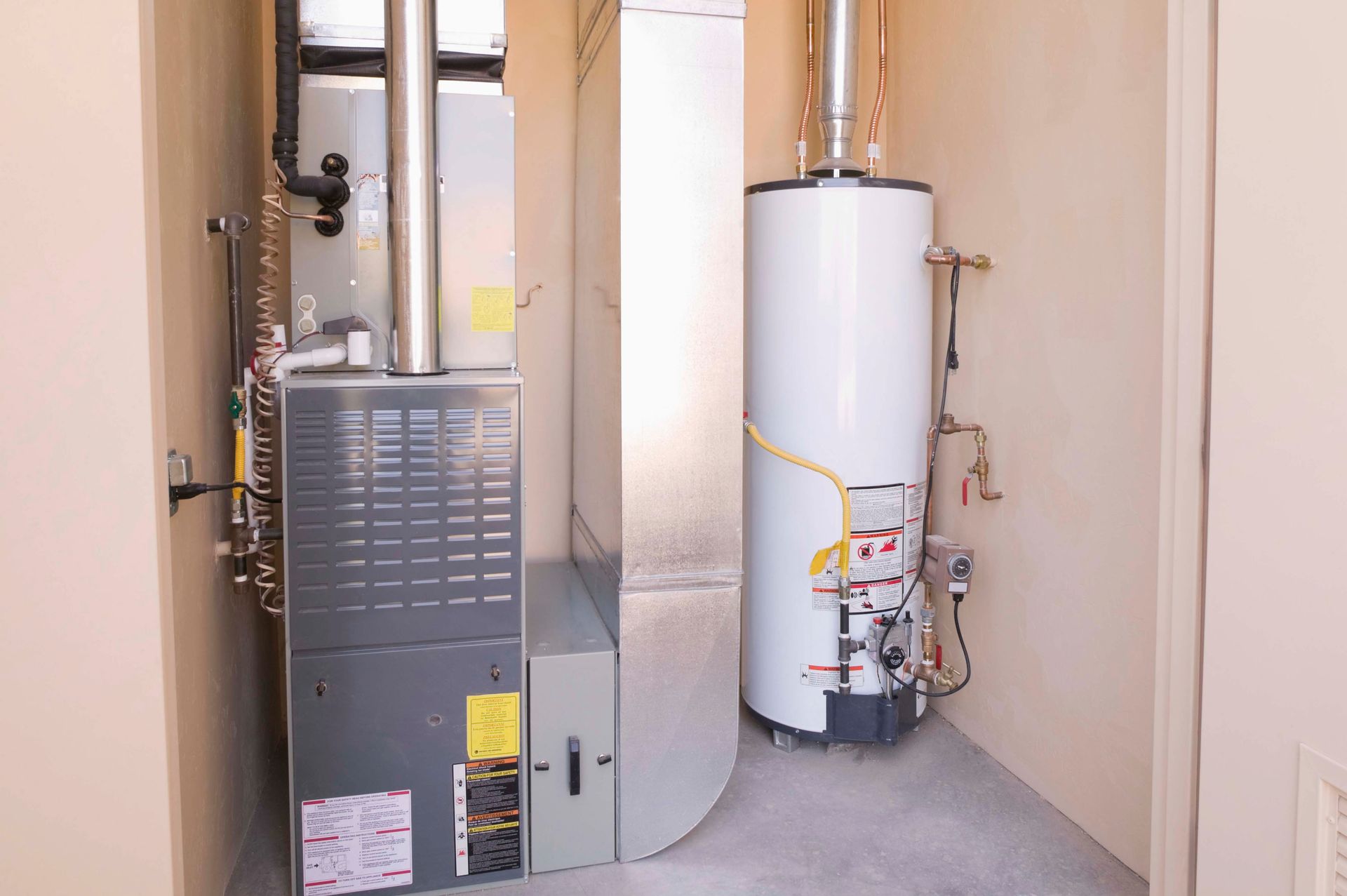
Older heating systems tend to lose efficiency as components wear down. While maintenance helps extend their lifespan, ongoing heater repair may become more frequent over time. Modern systems are designed with improved energy performance, allowing them to deliver consistent heating while using less energy.
Upgrading outdated equipment can lead to noticeable improvements in efficiency, but even newer systems benefit from regular heater fixes when issues arise. Keeping any system in good condition ensures it operates as intended and avoids unnecessary energy waste.
Conduct an Energy Audit With Professional Insight
Evaluating your heating system’s efficiency starts with a thorough inspection. Checking filters, airflow, and ductwork can reveal areas where energy loss occurs. In many homes, duct-related inefficiencies are a major concern. According to the U.S. Department of Energy, shows that as much as 60% of heated air may be lost before reaching living spaces when ducts pass through unconditioned areas like attics or crawlspaces without proper insulation.
Professional assessments provide deeper insight into these issues, helping homeowners prioritize heater fixes and related improvements. With the right adjustments, you can significantly reduce energy loss and improve overall system performance.
Identify Common Problems That Affect Efficiency
Several issues can reduce heating efficiency if left unaddressed. Thermostat malfunctions, for example, may cause the system to run longer than necessary. Addressing these problems through heater fixes ensures accurate temperature control and prevents energy waste.
Dirty or clogged filters are another common concern. When airflow is restricted, the system must work harder to circulate warm air, increasing energy usage. Routine filter replacement combined with timely heater repair supports better airflow and consistent heating.
Duct leaks also play a significant role in reduced efficiency. Sealing and insulating ductwork helps retain heated air, allowing the system to perform more effectively. Addressing these issues improves comfort while lowering energy costs.
Resolve Mechanical Issues to Restore Performance
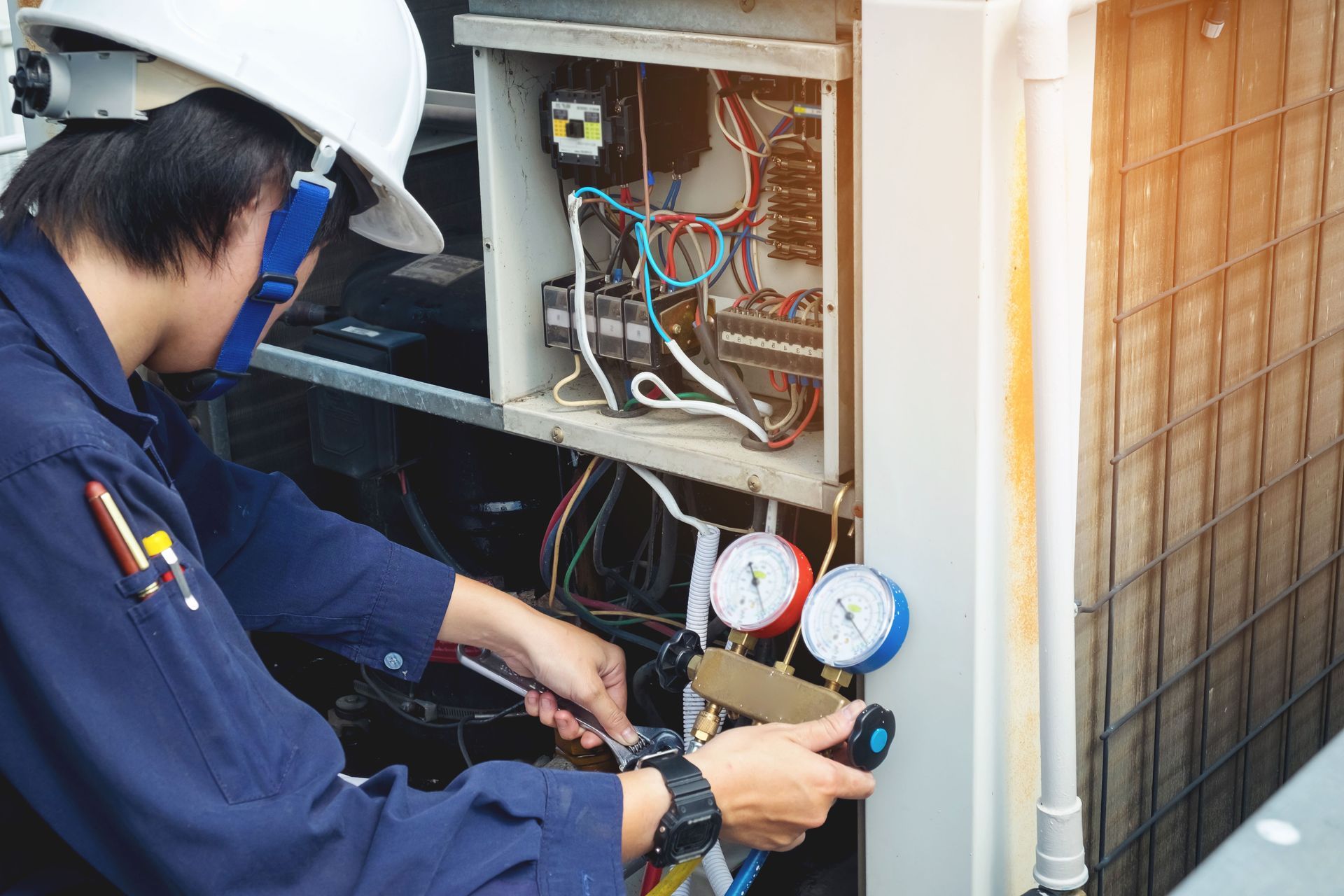
Mechanical components within your heating system must function smoothly to maintain efficiency. Unusual noises or odors may signal problems such as worn parts, loose connections, or airflow restrictions. Scheduling heater repair at the first sign of trouble helps prevent further damage and keeps the system running efficiently.
Pilot light or ignition issues can also affect performance. When these components do not function properly, the system may struggle to generate consistent heat. Resolving these concerns ensures reliable operation and supports energy-efficient performance.
Maintain Efficiency With Regular System Care
Ongoing maintenance is one of the most effective ways to support efficiency. Routine inspections allow technicians to identify minor issues before they escalate, reducing the need for extensive heater repair later. Cleaning internal components, checking connections, and adjusting system settings all contribute to improved performance.
Proper insulation and sealing throughout the home also enhance efficiency. Preventing heat loss reduces the workload on your system, allowing it to maintain comfortable temperatures with less energy. These combined efforts create a more balanced and efficient heating environment.
Improve Long-Term Performance Through Preventative Planning
A proactive approach to maintenance helps sustain efficiency over time. Scheduling regular service visits ensures your system continues to operate at peak performance. While heater repair addresses immediate concerns, preventative care reduces the likelihood of recurring issues.
Long-term planning may also include upgrading worn components or improving system controls. These enhancements support consistent efficiency and help avoid unexpected breakdowns. By maintaining a structured approach, homeowners can extend the life of their heating system while minimizing energy costs.
Reduce Costs and Environmental Impact
Efficient heating systems offer both financial and environmental advantages. Lower energy consumption leads to reduced utility bills, making heater fixes a practical investment for long-term savings. As inefficiencies are corrected, the system requires less energy to maintain comfort.
Reducing energy use also lowers your household’s carbon footprint. Efficient systems contribute to broader conservation efforts by minimizing demand on energy resources. Addressing issues through heater fixes not only benefits your home but also supports sustainable practices.
Increase Property Value With Energy-Efficient Solutions
Energy efficiency is an important factor for many homebuyers. Properties with well-maintained heating systems often attract more interest due to lower projected operating costs. Consistent heater repair and maintenance demonstrate that a home has been properly cared for.
Investing in efficiency improvements can enhance property value and make your home more appealing in a competitive market. These upgrades provide both immediate comfort and long-term financial benefits.
Embrace Modern Heating Technology
Advancements in heating technology continue to improve efficiency and performance. Smart thermostats, for example, allow precise control over temperature settings, reducing unnecessary energy use. These systems can adapt to daily routines, optimizing comfort while minimizing waste.
Innovations such as heat pumps and hybrid systems also offer improved efficiency. While these technologies provide long-term benefits, they still require occasional heater repair to maintain optimal operation. Staying informed about these options allows homeowners to make decisions that align with both comfort and energy goals.
Strengthen Efficiency With Complementary Home Services
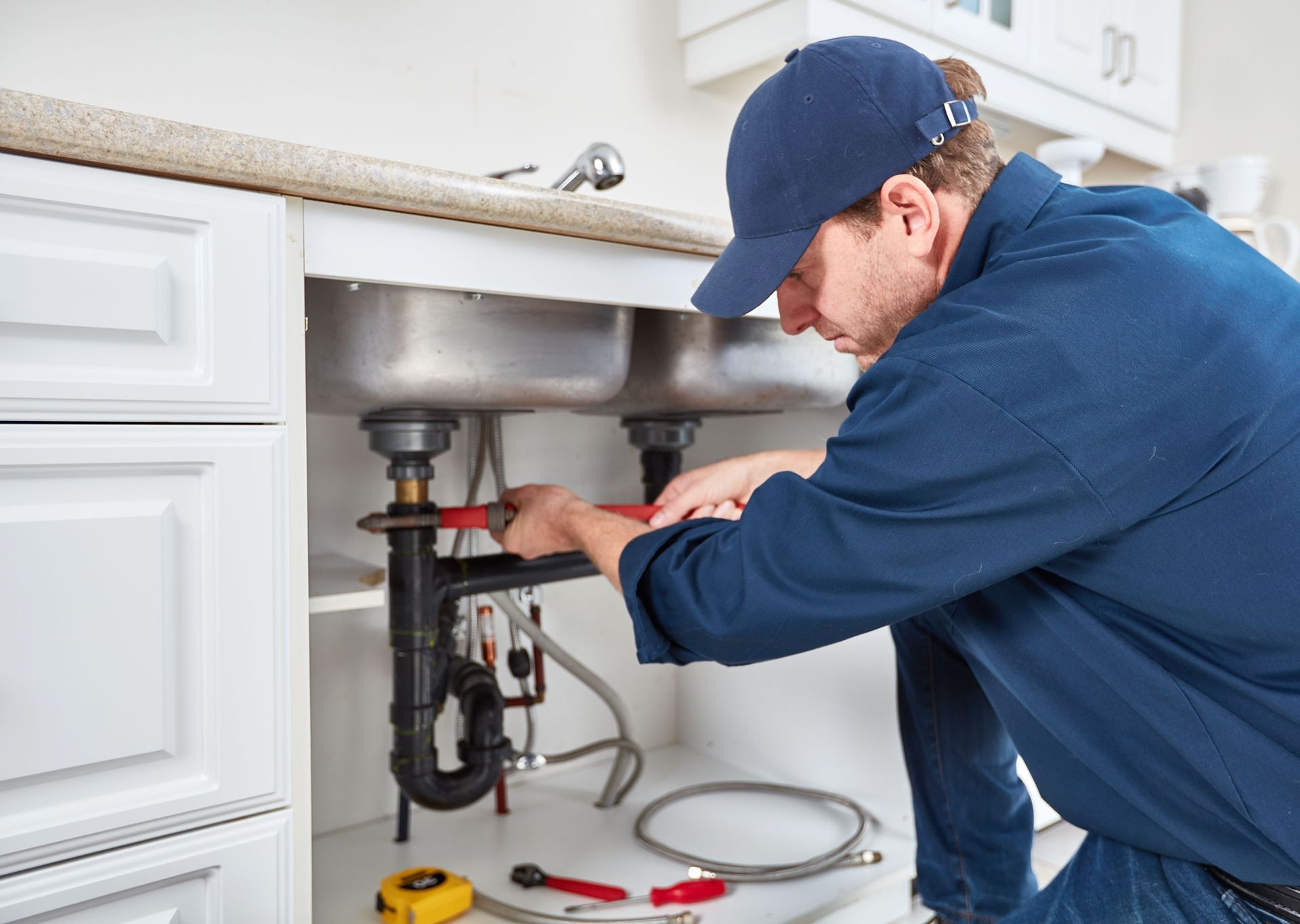
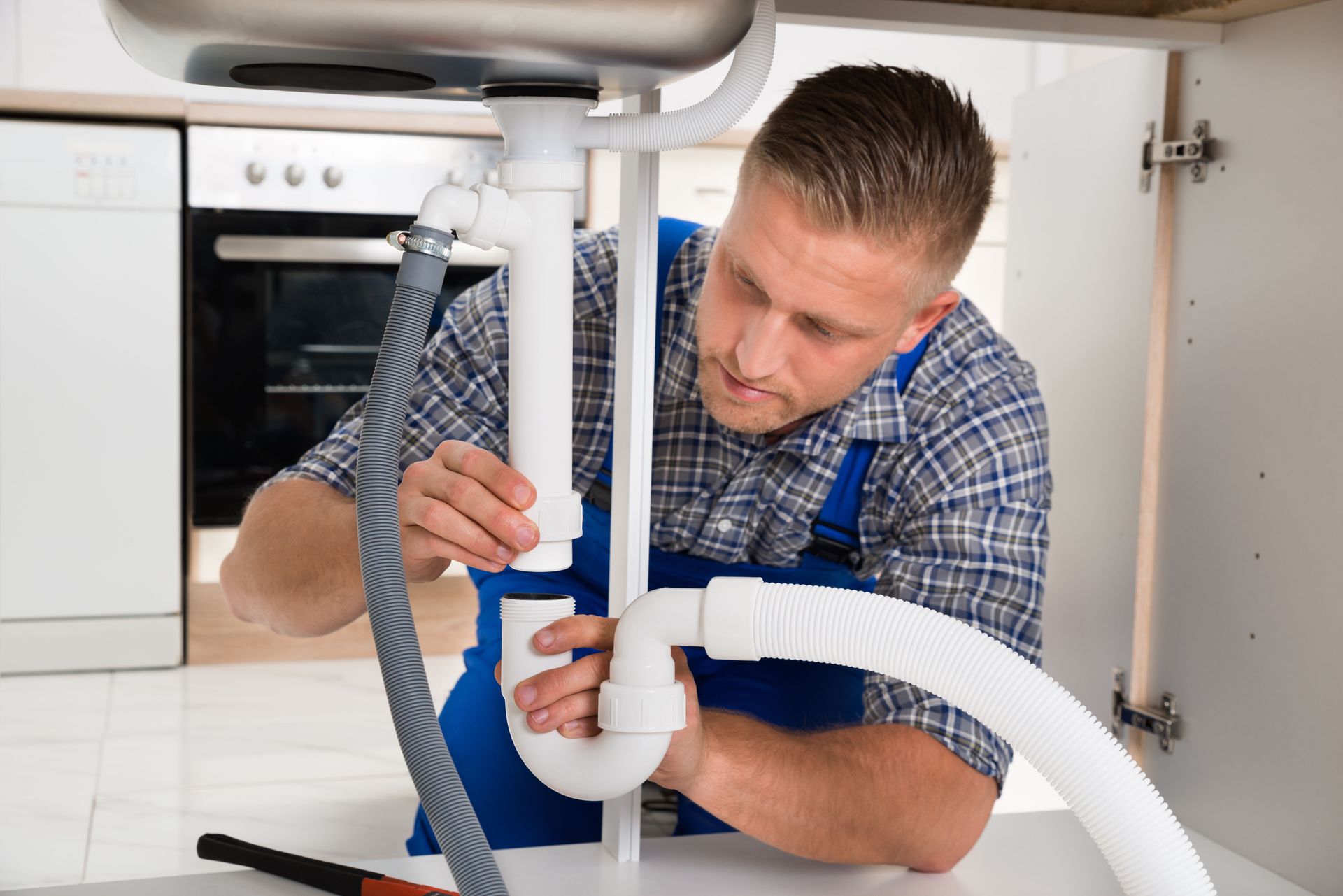
Heating performance is often connected to other systems throughout the home. Plumbing, air conditioning, and overall airflow all play a role in maintaining balanced indoor conditions. Addressing concerns across these areas can enhance the effectiveness of heater fixes and create a more efficient living environment.
For example, proper airflow supported by air conditioning services helps regulate temperature distribution year-round. Similarly, well-maintained plumbing systems can support certain heating setups, such as those that rely on water-based components. Taking a comprehensive approach ensures that every part of your home works together to support efficiency, comfort, and long-term reliability.
Improving your home's energy efficiency starts with ensuring your heating system operates at its full potential. Addressing issues through timely heater repair helps reduce energy waste, lower utility costs, and maintain consistent comfort throughout your home. From identifying early warning signs to investing in long-term maintenance, each step plays a role in supporting efficient performance.
At Brickhaas Plumbing HVAC, we understand how important a reliable heating system is for your home. We provide solutions designed to keep your system running efficiently and help you get the most out of your investment. If your system is not performing as it should, now is the time to take action and schedule professional service with our team.